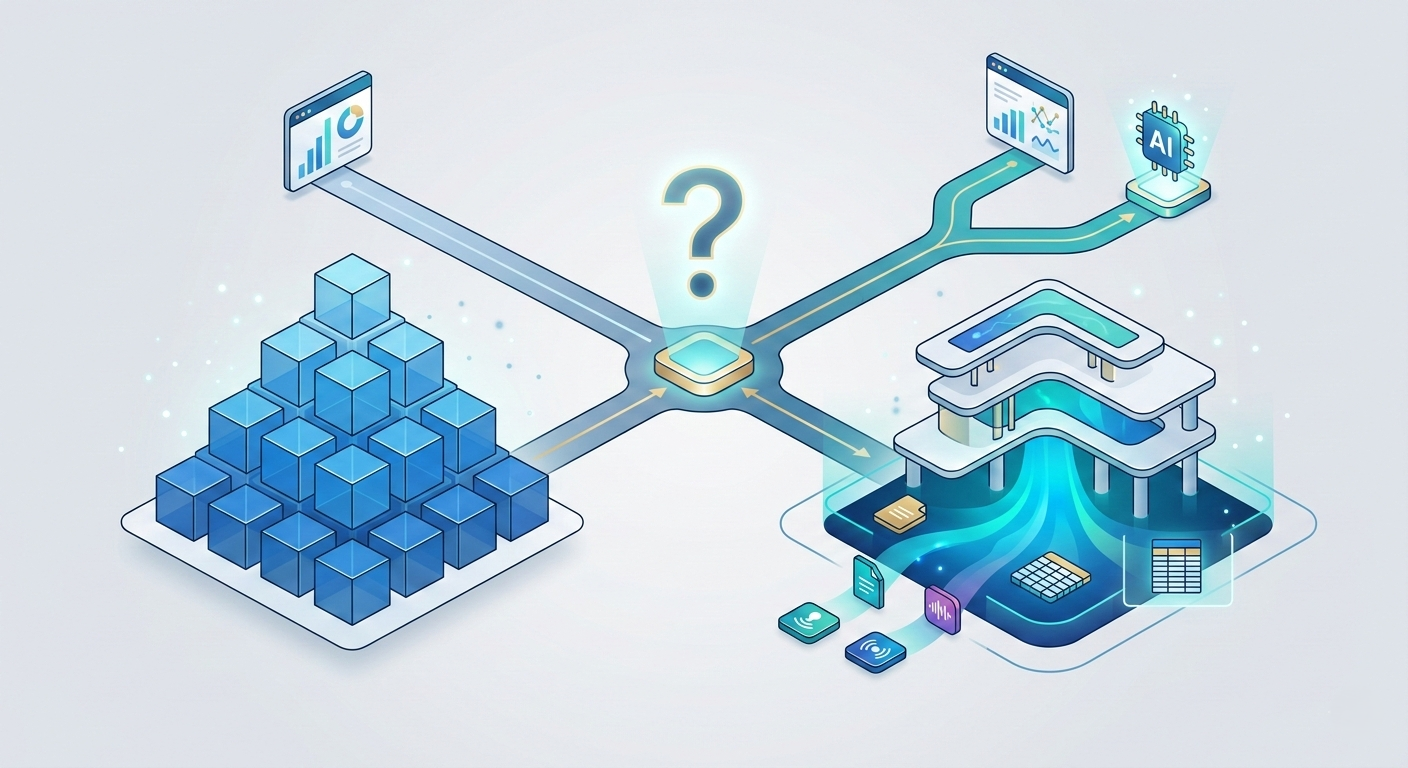


In today’s data-driven world, the architecture you choose to manage and access your data can directly impact your scalability, agility, and innovation. Two modern architectural approaches have taken center stage in enterprise data strategy: Data-Centric Architecture and Data Mesh. Although they both aim to improve data accessibility and reliability, their design philosophies differ significantly.
In this article, we’ll explore both in simple terms, compare them side by side, and provide visual structure maps to help you understand where each architecture shines.
What is Data-Centric Architecture?
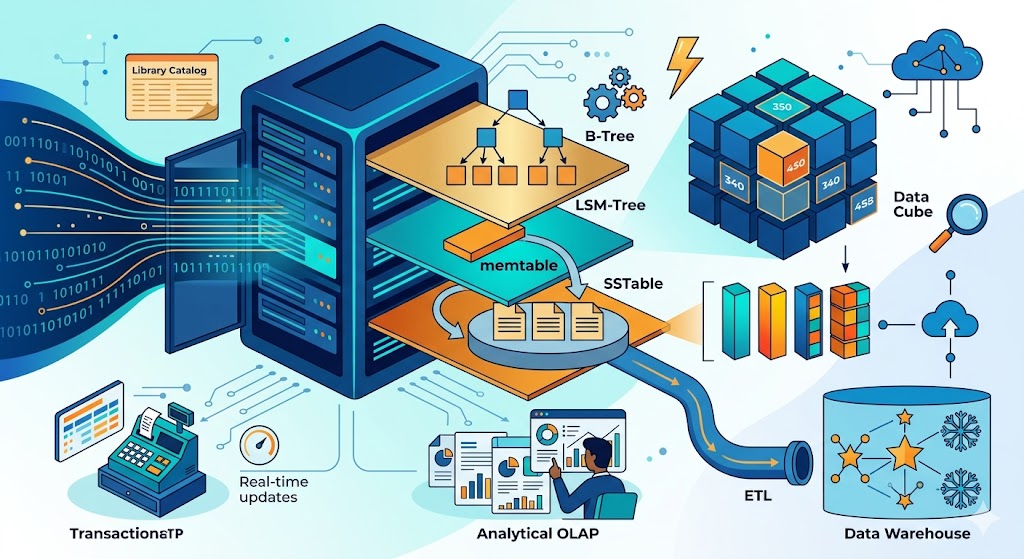
At its core, Data-Centric Architecture is about centralizing data. You collect data from multiple source systems and bring it into a single, centralized platform (usually a Data Warehouse or Data Lake). This unified storage becomes the “source of truth” for reporting, analysis, and machine learning.
 Key Characteristics:
- Central Repository: All organizational data is stored in one place
- ETL Pipelines: Data is extracted, transformed, and loaded from various systems
- Governance & Security: Managed centrally
- Scalability: Great for small to mid-size organizations with centralized teams
 Real-World Example:
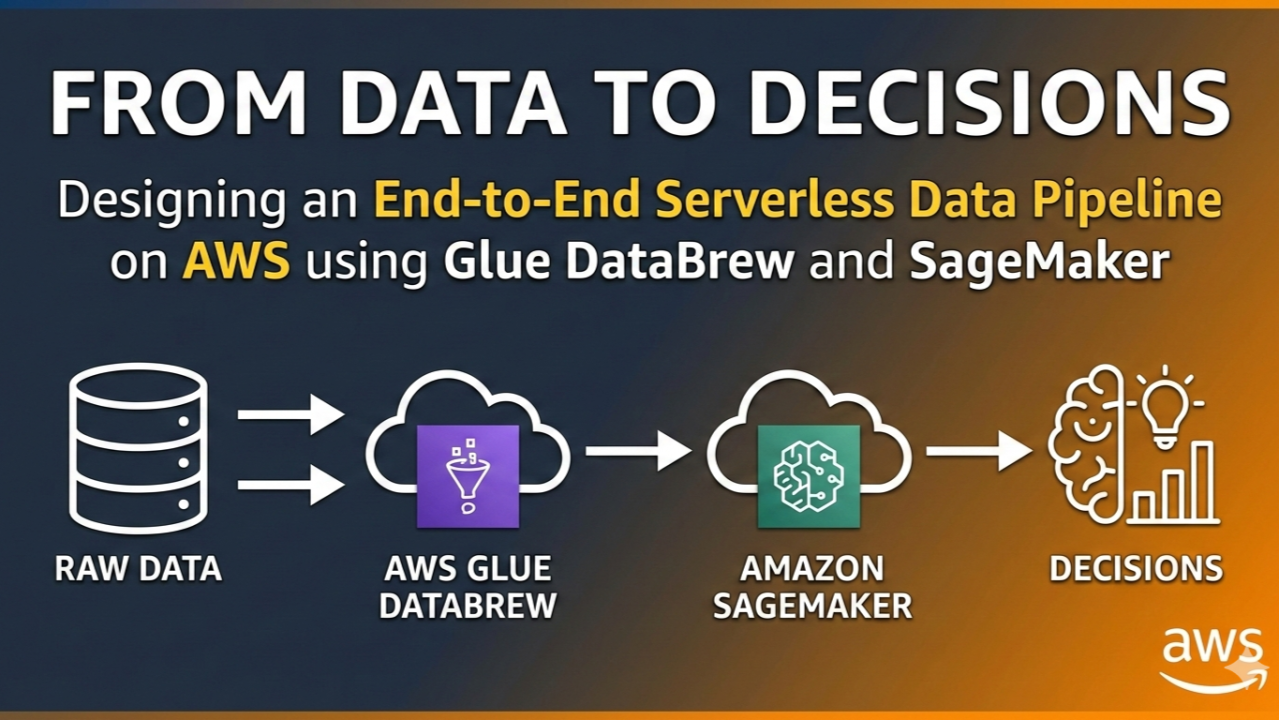
Imagine your business uses Salesforce for CRM, SAP for finance, and MySQL for product data. In a data-centric approach, you set up ETL pipelines that move data from all three into a Snowflake data warehouse. Business analysts and data scientists access this one location for all reports and insights.
What is Data Mesh Architecture?
Unlike data-centric, Data Mesh promotes decentralization. Instead of one central data team owning and processing all data, each domain (Sales, HR, Finance, etc.) becomes responsible for its own data as a product. The goal is to empower domain teams to produce, maintain, and share their data efficiently.
Key Characteristics:
- Decentralized Ownership: Each team owns its data
- Domain-Oriented Design: Data is produced close to the source
- Data as a Product: With clear contracts, documentation, and SLAs
- Interoperability: Achieved through common governance standards
Real-World Example:
The HR team manages employee data using PostgreSQL, the Sales team handles leads in BigQuery, and the Finance team uses Oracle for expenses. Each team exposes its dataset through APIs or data products. Other teams (like analytics or AI teams) consume the data without needing to rely on a central data team.
Data-Centric vs Data Mesh:
| Feature | Data-Centric Architecture | Data Mesh Architecture |
|---|---|---|
| Ownership | Centralized | Decentralized (domain-owned) |
| Data Storage | One central warehouse or data lake | Distributed across domains |
| Governance | Central policies and control | Federated governance model |
| Use Case Fit | Small to mid-size organizations | Large, complex enterprise organizations |
| Scaling Teams | Can cause bottlenecks as teams grow | Scales well with team autonomy |
| Tooling Examples | Snowflake, AWS Redshift, Azure Data Warehouse | Data catalogs, Lakehouse, APIs |
 Which One Should You Choose?
Choose Data-Centric if:
- You’re a small to medium company
- You prefer centralized control
- Your data is relatively simple and well-integrated
Choose Data Mesh if:
- You’re a large enterprise with siloed departments
- You want domain autonomy
- You have mature data governance practices
 Final Thoughts
Both architectures aim to unlock the value of data—but their paths differ.
Think of Data-Centric as a single, well-organized library.
Think of Data Mesh as a marketplace where every shop (team) maintains its own product (data), but they all follow shared rules so that customers (consumers) can find what they need easily.
Pick the one that aligns with your org structure, culture, and maturity level. Or combine both: centralize what makes sense, decentralize where flexibility is needed.